Services

Archives and records management

Through a tailored approach, Filigrane Archives assesses the specific needs of each client in order to develop appropriate solutions. Our records and archives management services cover the full life cycle of documents, including the organization of digital administrative records, the organization of historical archives, and document digitization.


Every organization, project, and career generates records that are essential to the management of daily activities. Contracts, administrative files, financial records, communications, and digital documents must be structured and managed in a coherent manner to ensure accessibility, security, and regulatory compliance.

Filigrane Archives provides strategic guidance in the design and implementation of information and records management systems tailored to each client’s environment.

Our approach begins with a careful assessment of your information landscape in order to identify operational needs and develop a robust structure for both physical and digital records. We design clear and sustainable file structures that support efficient organization, reliable document retrieval, and long-term information governance across servers, collaborative platforms, and cloud environments.

Depending on the needs and sector of activity, our services may include the development and implementation of core records management tools designed to:

  • establish coherent and scalable document and file structures
  • improve information access and document retrieval
  • define retention and disposition rules for records
  • ensure secure and compliant file management
  • support long-term digital preservation

Schedule an appointment

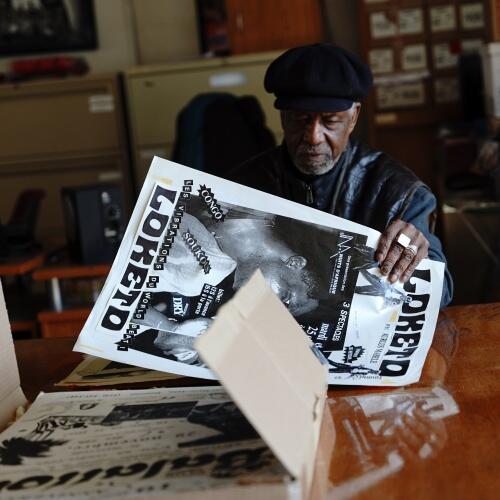
Over time, the documents we create or receive in the course of our activities outgrow their original administrative purpose and become archives. And they accumulate. Photographs, correspondence, working files, audiovisual materials, and digital records often gather quietly in boxes, on hard drives, or drift into the cloud.

Yet these materials tell a story — the story of an organization, a project, a career, or a family.

Filigrane Archives works with clients who wish to reconnect with these archival materials and bring clarity and structure to them.

Our work consists of organizing, structuring, and documenting archival collections so they become easier to understand, navigate, and consult. Records are thoughtfully grouped, arranged, and described in ways that support both discovery and long-term preservation.

Some projects also include the digitization of selected materials in order to facilitate access and sharing. To learn more, we invite you to consult the section dedicated to our digitization services.

We also recognize that archives often carry more than information. They hold memories, moments of creation, and important milestones in the life of a person, a family, or an organization. Each project is therefore approached with discretion, care, and sensitivity.

The result is a structured and accessible archival collection that allows documents to be rediscovered, better understood, and preserved for future generations.

If your project focuses on the presentation or interpretation of archival materials, please visit the section dedicated to heritage interpretation and archival storytelling.

Digitization can greatly improve access to documents while contributing to their long-term preservation. It allows records and archival materials to be consulted, shared, and transmitted more easily, while helping protect the original documents.

At Filigrane Archives, digitization is integrated into a broader archival approach. It is carried out within the context of the records management and archival processing mandates we undertake, supporting the organization, accessibility, and preservation of documentary materials.

While digitization often concerns historical archives, certain administrative records may also benefit from being digitized in order to facilitate their management, improve access, and support their integration into digital work environments.

Digital files are carefully prepared so they can be easily retrieved, consulted, and preserved over time. Particular attention is given to image quality, the organization of digital files, and the overall coherence of documentary collections. When appropriate, additional processes such as optical character recognition (OCR) and light digital editing are applied to improve readability, searchability, and the practical use of documents.

When projects require specialized processes, we collaborate with trusted professional partners to ensure results that meet recognized best practices.